
• Skip to primary navigation
  • Skip to main content
  • Skip to footer
  • Home
  • About Team Title Guy
  • Book Appointment
  • Subscribe to Email
  • Contact me
Team Title Guy

Team Title Guy

Sell... Buy... Refi... Specify Team Title Guy!

  • YouTube Videos
    • YouTube Channel
    • Educational Minute
    • Ryan’s Rants
    • TTG Events
    • Rancho Cucamonga
    • Training Classes
    • City Programs
    • Real Estate Closings
  • Event Calendar
  • Market Update
  • Blog
  • Reviews
    • Yelp Reviews
  • Title Resources
    • Forms and Documents
    • Informational Flyers
    • Transfer Tax and City Tax
    • Legal Documents
    • Fidelity Fee Schedule
    • Order CPL
    • Fidelity Agent
    • FNT Utilities
    • Comps
  • Podcast

#CaliforniaRealEstate

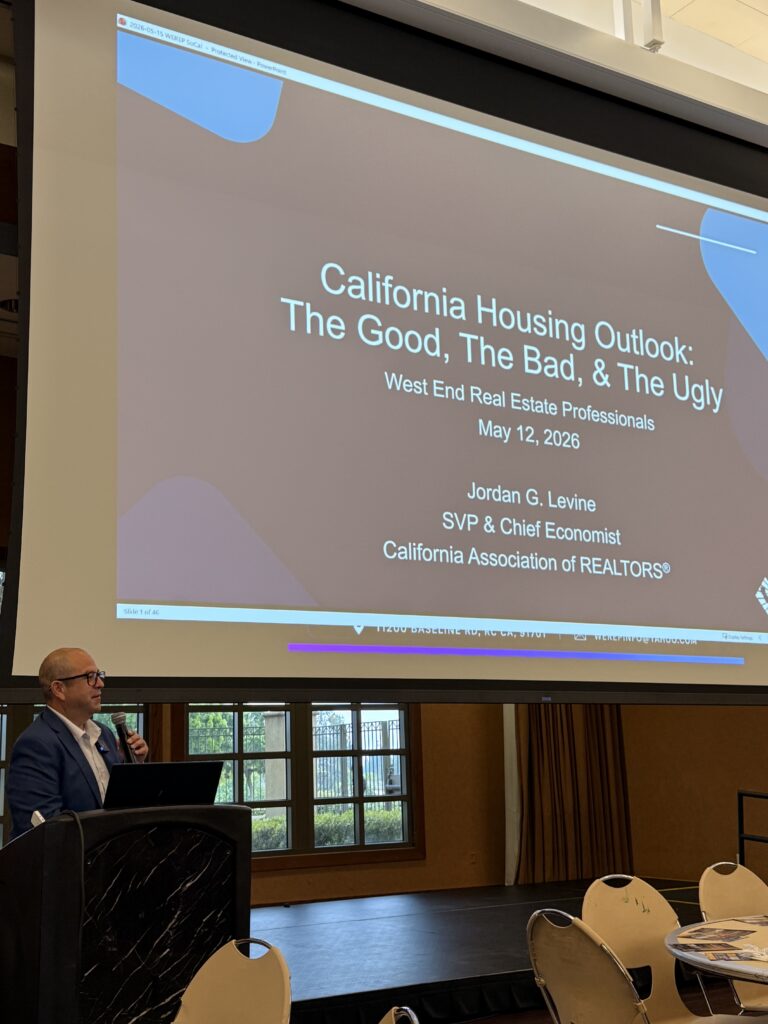
California Association of REALTORS® Chief Economist Jordan Levine Breaks Down the Inland Empire Real Estate Market at West End Real Estate Professionals

Summary

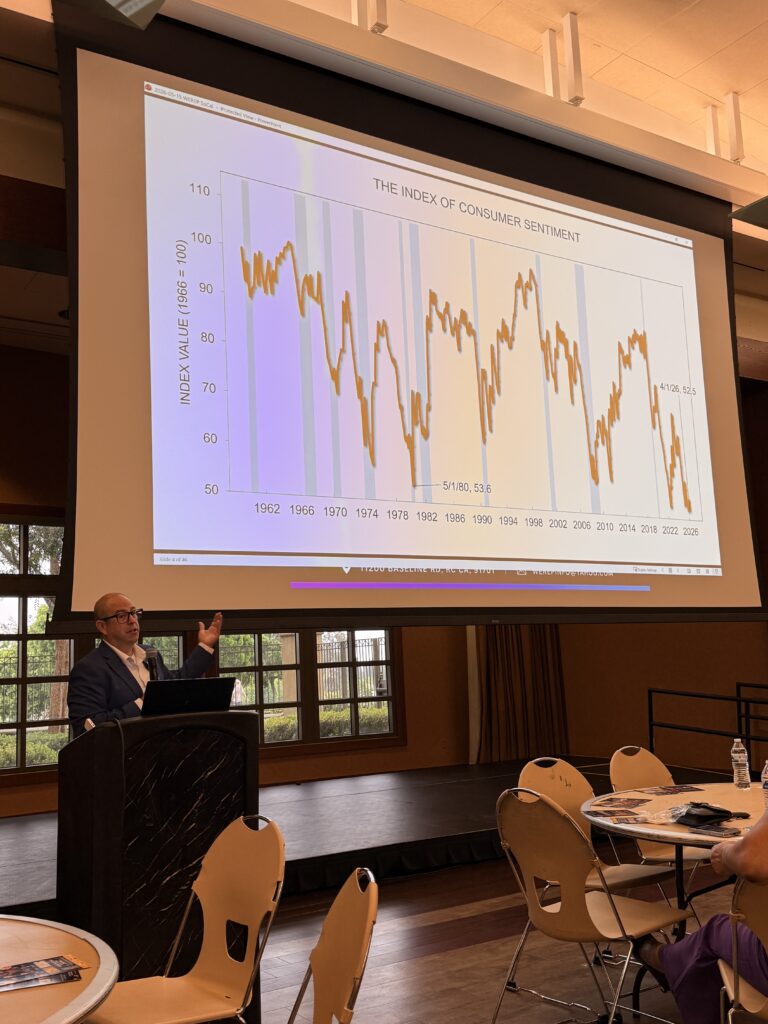
The current economic landscape presents a complex picture of high asset valuations, particularly in the stock market, juxtaposed with deeply negative consumer sentiment. Historical data suggests that the stock market’s current valuation, relative to earnings, is exceptionally high, indicating potential future volatility or corrections. Despite robust economic indicators like low unemployment and a strong stock market, public perception is overwhelmingly pessimistic, resembling or exceeding levels seen during the 2008 financial crisis. This disconnect is attributed to a “communications challenge” where people are misinformed or overly influenced by negative headlines, particularly regarding long-term investments like housing. There’s a significant opportunity to combat misinformation and educate potential homebuyers about the realities of the market, including down payment requirements and the long-term benefits of homeownership, thereby converting eligible individuals who are currently sitting on the sidelines.

Key Topics

  • Stock Market Valuation:
    • Historically, the stock market’s value (S&P) has been approximately 15 times earnings 78% of the time, fluctuating between 10 and 20 times.
    • Current valuation is around 42 times earnings, indicating significant overvaluation compared to historical norms.
    • This suggests potential for future volatility or a correction back towards the 20-ish range.
    • Such a correction from 40 to 20 would entail a substantial market downturn.
  • Economic Vulnerabilities:
    • Overinflated asset prices, like the stock market, represent areas of risk in the economy.
    • Psychological impacts of market fluctuations are significant, leading to rapid shifts in perceived wealth.
  • Consumer Sentiment vs. Economic Reality:
    • Consumer sentiment is lower now than during the 2008 financial crisis, despite a strong stock market and low unemployment (4.5%).
    • This indicates a significant disconnect between objective economic indicators and public perception.
  • “Communications Challenge”:
    • The pessimistic public sentiment, despite economic strengths, is largely due to misinformation and media influence.
    • People are “leaving money on the table” by not participating in the market due to fear and misperceptions.
  • Housing Market Misconceptions:
    • Housing should be viewed as a long-term investment, not a short-term trade.
    • Concerns about “buying high” or “perfect rates” are overblown; refinancing is an option if rates drop.
    • Many potential homebuyers are deterred by inaccurate information (e.g., “foreclosures are coming,” exaggerated down payment requirements).
    • A survey found over half of California renters believe a 50% down payment is needed to buy a home, even in relatively affordable areas.
  • Opportunity for Education:
    • There is a substantial opportunity to educate and correct misinformation among eligible, employed individuals.
    • Addressing these misapprehensions can convert potential homebuyers who are currently sidelined.
    • Despite affordability challenges, many individuals with the financial means are not engaging due to fear and lack of accurate information.

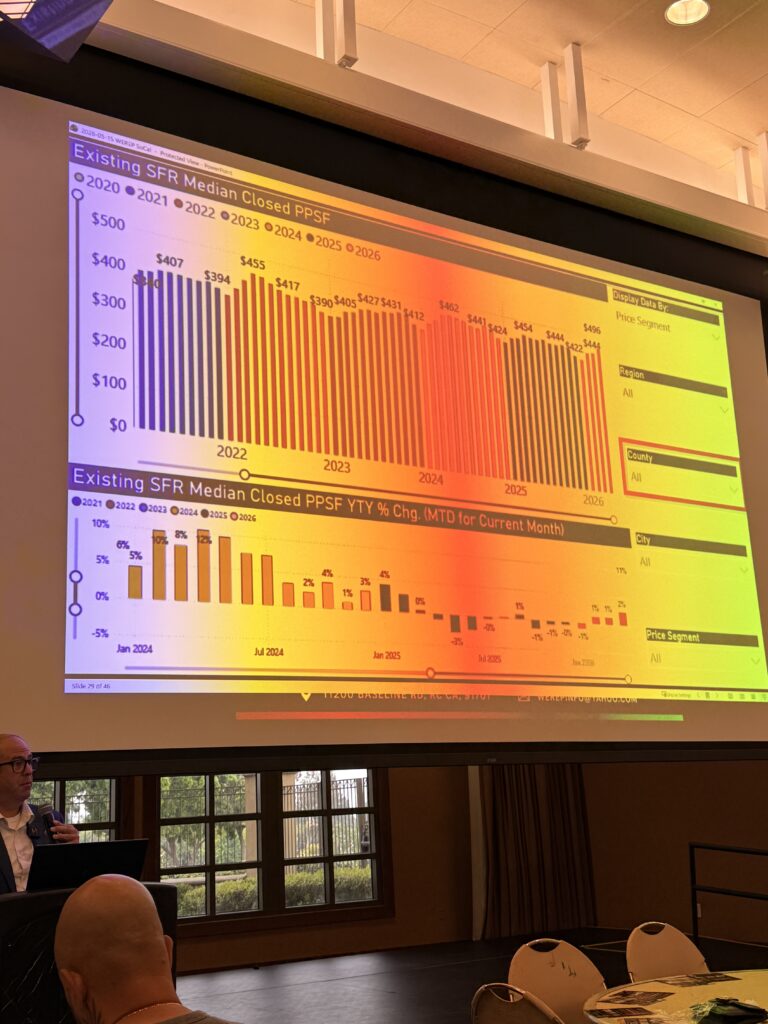
The California housing market, particularly in Los Angeles, Orange County, and the Inland Empire, is performing in line with statewide averages. The market is increasingly stratified by price, with higher price points showing greater resilience and growth. High-income earners, asset owners, and individuals in remote-friendly, high-paying jobs are driving this segment. The long-term forecast for California home prices is consistently upward due to strong demand, economic strength, and housing scarcity. Despite rising interest rates and economic uncertainty, prices have remained stable, highlighting the market’s fundamental strength. A key challenge is the increasing cost of homeowners’ insurance, which is projected to rise to align with profitability for carriers and national averages.

Comparison to Other States: Compared to states like Nebraska, where lower-value homes incur higher premiums, California’s current insurance costs for significantly higher-value homes are unsustainable for carriers.

Market Segmentation by Price: The California housing market’s performance is not uniform across regions but is heavily influenced by price point. Higher-priced segments are significantly outperforming lower ones.

High-Income Resilience: High-income earners, individuals with substantial assets (e.g., in the stock market), and those in secure, high-paying jobs (like AI engineering) are largely insulated from economic downturns and continue to drive housing demand in the upper tiers.

Shifting Market Thresholds: The price point at which the market remains active and thriving has steadily increased. Previously, it was homes from $750,000 and up; currently, the most robust activity is seen around the $2 million mark.

Proactive Investment Strategy: Real estate professionals should actively seek opportunities by identifying overvalued assets (e.g., stock market) and presenting real estate as a protective and profitable alternative to high-net-worth individuals.

Long-Term Price Appreciation in California: Despite short-term fluctuations, California home prices consistently increase over the long term. This trend is attributed to:

High Population: Too many people.

Strong Economy: Robust economic activity.

Housing Scarcity: Insufficient housing supply.

Market Resilience to Interest Rates: Even with a doubling of interest rates (from 2.85% to 8.25%) in late 2022, California home prices largely maintained their value, experiencing only a loss of momentum rather than a significant decline.

Home Prices and Economic Events: Home prices in California have shown resilience through significant events, including interest rate hikes, wars, uncertainty, and demand levels comparable to financial crisis eras.

Homeowners’ Insurance Challenges:

Rising Costs: Homeowners’ insurance premiums are expected to increase substantially in California.

Regulatory Environment: Current regulatory environments have artificially depressed insurance costs, making it unprofitable for carriers, leading many to leave the state.

Profitability for Carriers: For insurance carriers to return and operate in California, rates must rise to levels that ensure profitability, likely aligning with national averages.
Summary

The housing market presents both challenges and opportunities, particularly for high-income renters who are content with subscribing to housing despite the documented benefits of homeownership. Homeownership is highlighted as a primary driver of wealth accumulation and stability, enabling individuals to focus on personal and professional growth. The market is characterized by tight inventory, driven by macroeconomic forces and homeowners’ reluctance to sell due to favorable mortgage rates. Despite volatility, prices are increasing, and buyers should manage expectations as sellers are motivated but not desperate. Strategic communication and realistic expectations are crucial for both buyers and sellers in the current competitive market. The long-term outlook remains cautiously optimistic for a modest uptrend, assuming economic stability.

Emphasizes the importance of buying now at current prices, as future prices will likely be higher, outweighing potential refinancing benefits.

Homeownership vs. Renting:

Many high-income renters view housing as a subscription, overlooking the benefits of homeownership.

Homeownership is presented as a primary means of wealth accumulation and stability, distinguishing between those who “get ahead” (homeowners) and those who remain financially stagnant (renters).

Renters often spend discretionary income on luxury goods rather than investing, leading to limited financial progress.

The “blue or red” analogy simplifies the choice: blue for homeowners (financial progress) and red for renters (stagnation).

Housing Supply and Demand:

A need for diverse housing options exists, including apartments and luxury homes, to accommodate all segments of the population.

The housing market has been commoditized, driving up prices due to demand rather than inherent value.

Uncertainty impacts supply more than demand, leading homeowners with low mortgage rates (e.g., 3%) to “camp out” rather than sell.

Active listings are low due to reduced replenishment of inventory, not just increased sales. Buyers are purchasing fewer homes, but the number of new listings is consistently low.

The perception of increasing inventory leading to “deals” is often false; sellers are motivated but not desperate.

Mortgage Rates and Homeowner Behavior:

A significant percentage of homeowners (e.g., 62% in California) have sub-4% mortgage rates, making them reluctant to sell and incur higher rates on a new property.

This reluctance, combined with factors like Prop 13 property taxes and capital gains concerns, contributes to tight inventory and increased home prices.

People are living in their homes three times longer than previously, limiting transaction volume.

Buyer and Seller Strategies:

Buyers:

Must manage expectations; prices are not likely to decrease significantly.

Should understand that sellers are not desperate, even if motivated.

Avoid low-ball offers as the market is competitive; strong, realistic offers are needed.

Consider current conditions as a better time to buy than waiting, as prices are projected to continue rising.

Sellers:

It is a good time to sell due to tight inventory.

Need to price homes correctly and engage in pre-listing activities (e.g., professional photos, staging) to attract discerning buyers.

Should not expect immediate, desperate buyers, but recognize the market is competitive.

Need realistic expectations to avoid prolonged listings.

Market Outlook:

Cautious optimism for a modest, incremental uptrend in the market.

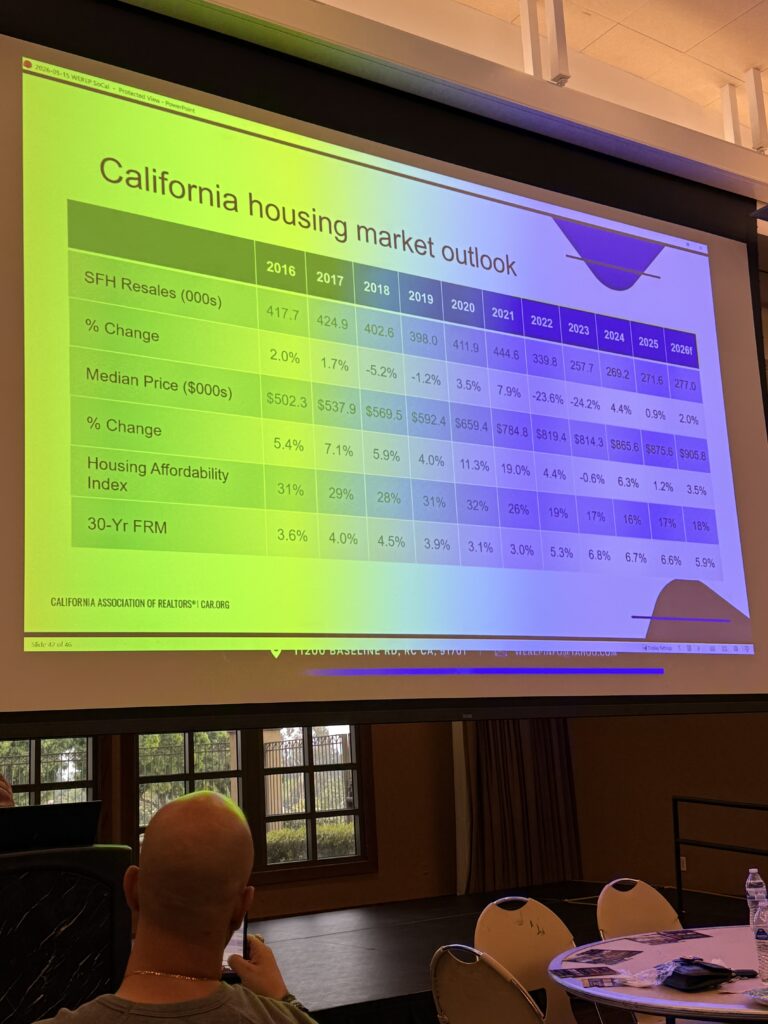
Projected 2% increase in transactions, though current pace is behind.

Economic fundamentals (jobs, economy) remain stable, but psychological factors influence market activity.

Housing prices are not expected to get cheaper, and dramatic improvements in interest rates are unlikely (6% is projected as the norm).

FINCEN Residential Real Estate Rule (RRER) 2026: What California REALTORS® How Fidelity National Title Is Supporting Compliance

The new Residential Real Estate Rule (RRER) — commonly referred to as the updated FINCEN reporting requirement for real estate — officially goes into effect March 1, 2026.

If you work in California real estate, escrow, title, investing, or brokerage, this rule will directly impact how certain transactions are handled — especially non-financed (all-cash) purchases involving entities and trusts.

This is not a minor tweak.

It replaces the former Geographic Targeting Orders (GTOs) and significantly expands federal reporting requirements under FINCEN’s Anti-Money Laundering (AML) oversight. With 100+ required data points, a structured reporting cascade, and real civil and criminal penalties for non-compliance, alignment across agents, escrow, and title is no longer optional — it’s critical.

As Ryan J. Orr, Vice President at Fidelity National Title (Team Title Guy) serving the Inland Empire and Southern California, my goal is simple: clarity, compliance, and protection for our partners.


What Is the FINCEN Residential Real Estate Rule (RRER)?

The RRER is a federal regulation requiring reporting of certain non-financed residential real estate transfers involving:

  • LLCs
  • Corporations
  • Partnerships
  • Trusts
  • Other legal entities

The rule is designed to increase transparency around beneficial ownership reporting, particularly in transactions that may present money laundering risk.


Key Takeaways for REALTORS®, Brokers & Investors

Here’s what matters most:

✔ What Qualifies as a Reportable Transfer

Not every transaction is reportable. The rule applies primarily to non-financed transfers to entities or trusts meeting specific criteria.

✔ Definition of “Non-Financed”

“All-cash” does not simply mean no traditional mortgage. The rule defines financing narrowly. Certain private lending structures may still qualify as non-financed under FINCEN guidelines.

✔ The Reporting Cascade

There is a defined order (a “cascade”) identifying who is responsible for filing the report. Parties may enter into a designation agreement assigning responsibility — but that must be done correctly.

✔ Applicable Exemptions

Certain transactions are exempt. Understanding these exemptions is essential to avoid unnecessary reporting — or worse, failing to report when required.

✔ Penalty Exposure

The stakes are real:

  • Civil penalties for negligent violations
  • Criminal penalties for willful non-compliance

This is federal oversight. Mistakes can be costly.

✔ C.A.R.’s Federal Reporting Requirement Purchase Addendum (FRR-PA)

California REALTORS® now have a new tool addressing this federal reporting requirement. Proper usage will be key in all-cash transactions moving forward.

✔ Seller Impact

Expect shifts in how sellers evaluate all-cash offers from LLC buyers. Transparency and documentation will influence negotiations.


How Fidelity National Title Is Supporting Compliance

At Fidelity National Title, we understand that compliance can feel complex — especially when liability exposure is involved.

That’s why we developed a practical RRER reporting solution.

When escrow identifies a transaction as reportable, and when properly authorized, Fidelity can serve as the designated reporting party.

Our solution includes:

  • 🔐 Encrypted and protected data collection
  • 💻 Secure digital intake via our InHere platform
  • 📋 Streamlined reporting workflow
  • 💲 $175 reporting fee
  • ✅ Reduced friction at closing

Our objective is to minimize disruption while protecting agents, brokers, buyers, sellers, and escrow professionals.

Compliance builds credibility.
Credibility builds trust.
Trust builds long-term business.


Why This Matters for Inland Empire & California Real Estate

With increased federal oversight of cash buyers, investor activity, and entity purchases, this rule will impact markets like:

  • Rancho Cucamonga
  • Upland
  • Ontario
  • Fontana
  • Eastvale
  • Riverside & San Bernardino Counties

As regulatory environments evolve, strategic partnerships matter more than ever.

We are not just a title provider.

We are a strategic partner focused on education, risk mitigation, and protecting your license and livelihood.


Next Steps

If you would like:

  • The full FINCEN RRER slide deck
  • A reporting checklist
  • A team training session
  • An in-office compliance update
  • Or a copy of our recent webinar with Jennifer Felten

Reply directly or reach out to Ryan J. Orr – Fidelity National Title, Team Title Guy.

Let’s stay ahead of the changes — not behind them.

🏡 How REALTORS® Can Instantly Estimate Property Taxes with FidelityPassport.com

Empower your buyers and sellers with clarity, confidence, and credibility.
When it comes to closing real estate transactions in today’s Inland Empire market, information is leverage. One of the most common — and often confusing — questions agents face is:
“What will my property taxes be after I buy this home?”
With FidelityPassport.com, that answer is now just a few clicks away.

🔍 What Fidelity Passport Can Do for You
Fidelity Passport isn’t just another title tool — it’s your one-stop data hub for property intelligence. In seconds, you can:

  • Pull current property tax details for any California property
  • View the current effective tax rate on record
  • Estimate the new tax rate based on your buyer’s projected purchase price
  • Calculate the supplemental tax bill that often catches new homeowners off guard

This means you can clearly explain to buyers what to expect after closing, and help sellers understand how their property compares — turning complex data into confident decisions.

💡 Why It Matters for REALTORS®
Top agents win business by being trusted advisors. Understanding and communicating tax impacts instantly builds credibility, especially in conversations with first-time buyers or out-of-area clients unfamiliar with California’s property tax nuances.
When you can provide clear, accurate tax estimates, you elevate your value and remove uncertainty from the transaction — one of the key drivers of client trust and referral business.

🧭 How to Get Started
If you already have a Fidelity Passport account but haven’t used the property tax estimator, reach out — I’ll personally walk you through it in just a few minutes, either in person or via Zoom.
If you don’t yet have an account, let’s fix that! I’ll help you get access so you can start running real-time tax projections for your clients today.

🎯 Because at Fidelity National Title Inland Empire, our goal is to help you know, grow, and close with confidence.
Let’s win together.

AB 942 – What Every California Homeowner and Realtor Needs to Know About the Solar Credit Shake-Up ⚡🏠

🔍 What Is AB 942?

AB 942 updates how solar energy credits work, specifically targeting Net Energy Metering (NEM). The big headline? Upon the sale or transfer of a property, any existing solar system will automatically be enrolled into NEM 3.0—a program that pays homeowners less for the excess power they send back to the grid.

That’s right—say goodbye to the high returns from previous solar agreements. The new setup means lower compensation, and for most, an estimated $63/month increase in their electricity bills.

😬 What Does This Mean for Homeowners?

  • Selling your home with solar just got trickier.
  • Home values may be impacted, especially if buyers are hesitant to take on less favorable solar terms.
  • Transfers due to inheritance, divorce, or rental situations will also trigger the switch to NEM 3.0.

🏘 Why Real Estate Professionals Should Pay Attention

This isn’t just a utility bill issue—it’s a title and escrow issue too. When solar is involved in a transaction:

  • You must verify NEM contract details.
  • Proper disclosure is critical to avoid disputes.
  • Expect more questions from buyers—be ready to educate!

⚡ Industry Reactions

CALSSA (California Solar & Storage Association) isn’t thrilled. They’ve called this bill a breach of trust that undercuts California’s commitment to renewable energy. And they’re not wrong—this move might discourage future solar adoption, putting a dent in long-term sustainability goals.

📘 Why It Matters to You

Knowledge is power—and in this case, it’s literal. Whether you’re representing buyers or sellers, understanding AB 942 is essential to protect your clients (and your deals). This bill highlights how Title, Escrow, and Real Estate pros need to work hand-in-hand to manage these complexities.

➡️ Don’t let AB 942 catch you off guard. Know it. Share it. Be the expert your clients count on.

📚 Learn More:

Visit the Legislature Site

Footer

Follow Us

Yelp Reviews

Fidelity National Title
4.6
Based on 21 Reviews
Yelp logo
Cody M.
Cody M.
2025-05-04 08:35:26
Ryan and the team at National Title are professional, efficient, and a pleasure to work with. Highly recommend this 5 star business! read more
Jimmie H.
Jimmie H.
2022-12-03 18:14:01
Ryan Orr is no longer at Stewart Title. The Stewart Office in Ontario is close. If you need Stewart Title please call Jimmie Herrick 9095449407. I have been... read more
Shereece M.
Shereece M.
2022-04-21 16:09:47
Ryan Orr is an amazing Title Representative!! I've been utilizing his services for well over 10 years! Not only is he professional, he's a person of... read more
Erick B.
Erick B.
2022-01-20 17:20:32
Ryan O. gets the job done! Take my word for it and contact him for all of your title needs! read more
Jerrico C.
Jerrico C.
2020-12-23 18:23:52
Common theme with this company seems to be that they help customers knowing fully well that they may not be part of a transaction. Ryan answered some... read more
Scott C.
Scott C.
2019-07-27 07:28:04
Thank you Ryan for going out of your way to help out on a challenging escrow this past Saturday. I was on Catalina for our week long Boy Scout camp and had... read more
Cecilia L.
Cecilia L.
2019-07-20 12:51:19
The worst escrow company to deal with in the USA. Worst customer service. The escrow and Title charges and fees are up to the heaven and as tall as the flag... read more

Copyright © 2026 · Ryan J. Orr · Fidelity National Title
Privacy | California Privacy | Terms of Use | Accessibility