
Summary
The Inland Empire real estate market continues to evolve—and understanding where it’s heading is critical for Realtors, builders, investors, and homeowners alike.
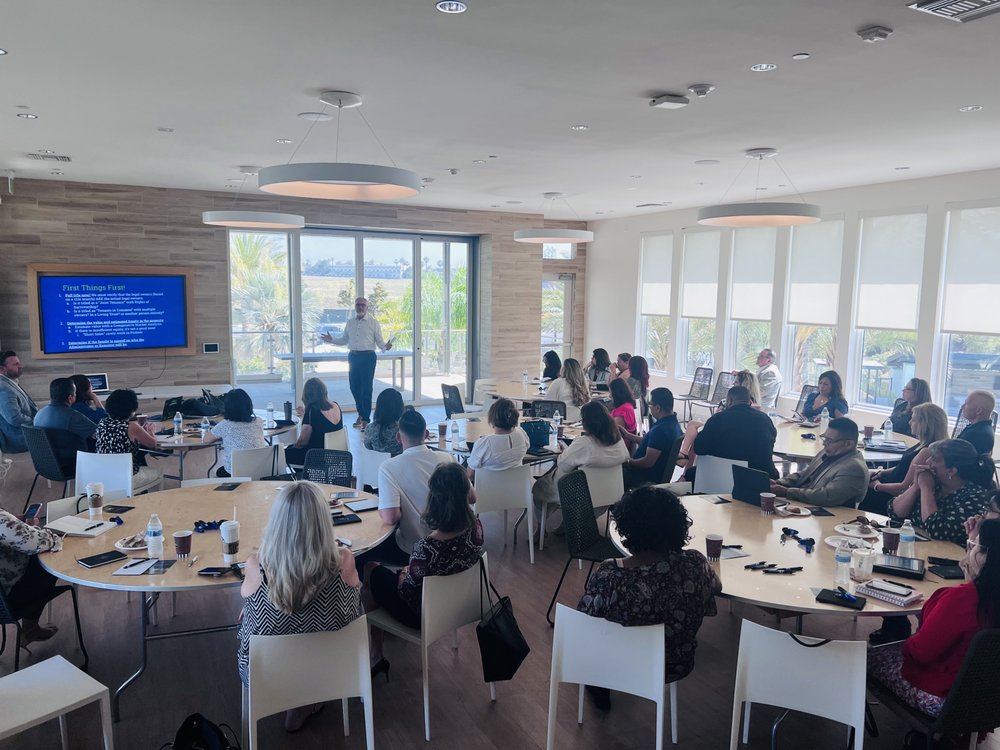
Recently, Randall W. Lewis, senior executive at Lewis Group of Companies, shared a comprehensive outlook on the regional and national real estate landscape, offering valuable insights into housing, commercial development, and long-term market trends shaping Southern California and Nevada.
Market Performance: 2025 Review & 2026 Outlook
Lewis described 2025 as an “okay” year overall. New home sales were supported by incentives such as interest-rate buy-downs, while the Inland Empire apartment market stabilized after a period of excess inventory. Retail real estate stood out as a strong performer, driven by population growth and rising local incomes.
In contrast, the industrial market—once one of the hottest sectors—has seen a notable slowdown due to tariffs, global trade concerns, and shifting demand, with potential ripple effects on employment across the region.
Looking ahead to 2026, Lewis expects conditions similar to 2025, while emphasizing the importance of risk management and “covering the downside” amid economic uncertainty.
Lewis Group Strategy & Regional Development
The Lewis Group continues to thrive due to a diversified approach that includes land sales, apartments, retail centers, and master-planned communities. Active and upcoming projects span:
- Rancho Cucamonga, Chino, Ontario, Fontana, Rialto
- Ventura County, Glendora, La Verne, Downey, Norwalk
- Expansion in Nevada, including Reno and Las Vegas
Major regional infrastructure projects—such as the Rancho Cucamonga baseball stadium, Ontario sports complex, and the high-speed rail connection to Las Vegas—are expected to further influence growth patterns across the Inland Empire.
Key Trends Shaping Housing Demand
Several long-term trends are driving opportunity:
- Aging population (55–105) with demand for lifestyle-oriented communities
- Built-for-Rent (BFR) single-family housing, with thousands of homes in development
- Generational wealth transfer, largely tied to housing equity
- Increased focus on higher density, mixed-use, and transit-oriented development
- Growing reuse and repurposing of underperforming land (retail, schools, churches)
Design trends are shifting back toward classic architecture, flexible living spaces, home offices, storage, and fire-resilient construction—all influenced by affordability, insurance, and lifestyle changes.
Advice for Real Estate Professionals
Lewis encouraged industry professionals to:
- Support local elected officials who advocate for responsible development
- Stay actively educated and embrace AI as a business-enhancing tool
- Understand that institutional homeownership represents only a small fraction of the market
- Prepare for evolving affordability challenges tied to energy costs and regulation
At Fidelity National Title, conversations like these reinforce why education, data, and strategic partnerships matter more than ever. As shared by Ryan J Orr of Team Title Guy, staying informed allows Realtors to better guide clients, navigate uncertainty, and seize opportunity—no matter the market cycle.